The Future of Home Design: Innovative Modern Roof Lanterns You Need to View
The tomorrow of home design is progressively influenced by innovative modern roof lanterns. These design elements enhance natural light and introduce smart technology for enhanced climate control. As trends advance, geometric shapes and sustainable materials come to the front, indicating a shift toward healthier living environments. Understanding the diverse advantages and applications of roof lanterns can revolutionize how spaces are utilized. What implications do these advancements have for the homes of tomorrow?
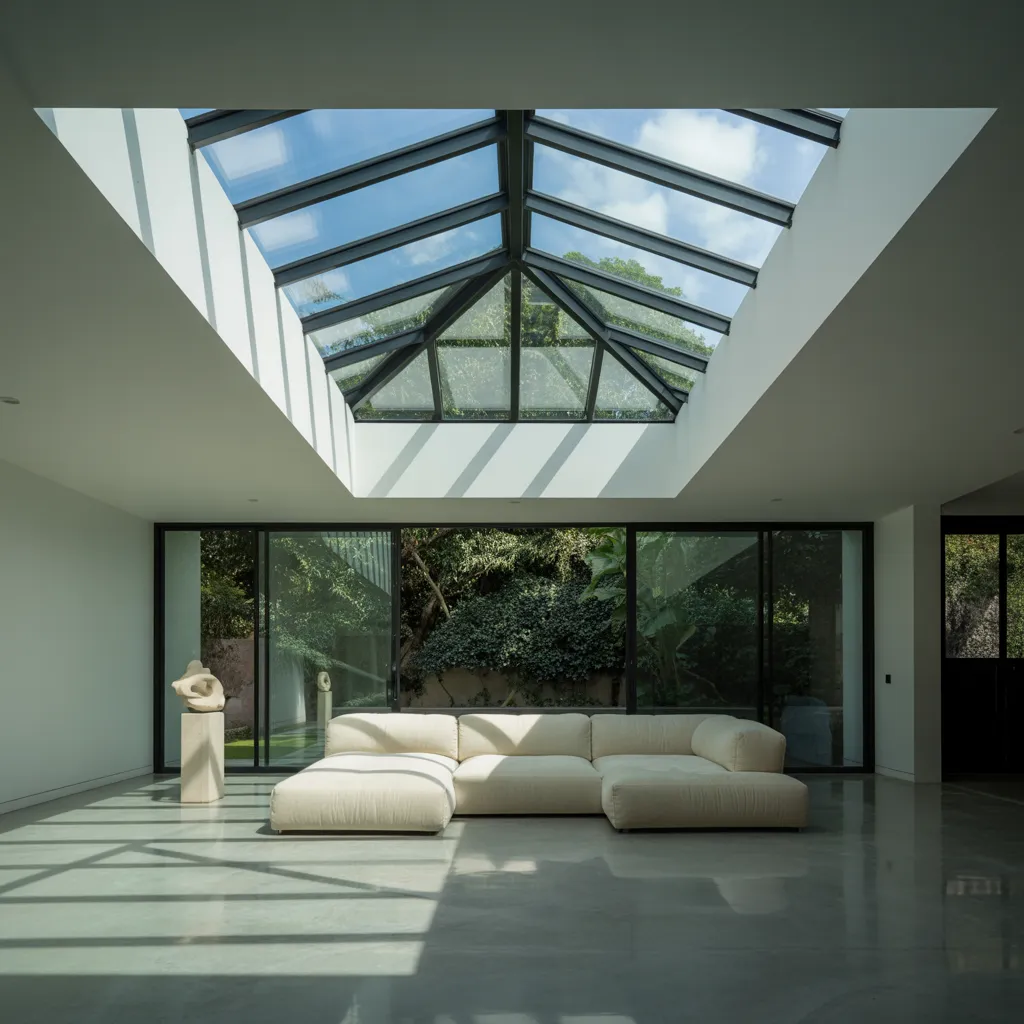
The Advantages of Modern Roof Lanterns
State-of-the-art skylights present a number of benefits that improve both the aesthetics and functionality of spaces. These architectural features serve as striking focal points, allowing natural light to flood interiors, which can foster a sense of light and comfort. By improving daylight penetration, roof lanterns reduce dependence on man-made lighting, thereby advancing energy efficiency.
In addition, they can boost air flow when built with operable aspects, contributing to a healthier home setting. The use of high-quality items guarantees durability and low maintenance, making roof lanterns a worthwhile investment.
In addition to their functional advantages, these structures can improve the overall aesthetic of a home, blending seamlessly with various design approaches. By adding modern roof lanterns, homeowners can gain the dual advantages of superior visual appeal and superior energy performance, making them a popular option in modern architecture.
Beautiful Design Trends for Roof Lanterns
As homeowners are actively trying to blend style with practicality, cutting-edge design movements for roof lanterns are appearing to meet these demands. One notable trend is the use of geometric shapes, which adds a modern flair to traditional designs. These geometric elements not only enhance aesthetic appeal but also maximize natural light. Furthermore, biophilic design elements are becoming popular, integrating organic elements like wood and stone to create a seamless connection between indoor and outdoor spaces.
A further trend is the integration of smart technology, enabling adjustable lighting and climate control, strengthening both accessibility and ecological responsibility. Color customization options are also surging in popularity, equipping homeowners to customize their roof lanterns to harmonize with specific décor themes. In summary, streamlined design approaches are gaining momentum, prioritizing clean lines content and understated style, which resonate among modern sensibilities while retaining functionality. Taken together, these trends are reimagining how roof lanterns are experienced and employed in contemporary home design.
Determining the Best Fit Roof Lantern for Your Home
How can property owners choose the perfect roof lantern that matches their unique style and functional needs? First, they should consider the architectural style of their home. A modern lantern might work well with a modern space, while a more classic design could enhance a classic home. Next, evaluating the purpose is significant; whether for daylight, ventilation, or visual beauty, the chosen lantern should meet specific requirements.
Size also plays a vital role. A larger lantern may create a striking focal point, whereas a smaller one might integrate seamlessly into the existing structure. Homeowners should assess their local climate, as well, since this can influence material choices and insulation needs. Finally, it’s essential to keep energy efficiency in mind; opting for double-glazed options can enhance insulation while reducing energy costs. By weighing these factors, homeowners can confidently choose a roof lantern that enhances both form and function in their living space.
Novel Materials in Roof Lanterns
A range of modern materials are reshaping the design and functionality of roof lanterns. Modern roof lanterns increasingly utilize materials such as structural glass, which provides enhanced durability and clarity, enabling for maximized natural light. The use of aluminum in frames provides a lightweight yet sturdy structure, capable of enduring various weather conditions while reducing maintenance needs. Additionally, polycarbonate panels are growing in popularity due to their impact resistance and energy efficiency, making them a practical alternative to traditional glass.
Moreover, improvements in surface treatments, such as self-cleaning or energy-reflective options, are boosting the longevity and performance of these installations. These materials not only enhance aesthetic attractiveness but also improve the overall user experience, ensuring that roof lanterns are both functional and stylish. As these advancements continue to progress, they are creating new standards in the domain of home design, particularly in natural light integration.
Increasing Energy Efficiency Through Roof Lanterns
Roof lanterns significantly improve energy savings in modern homes by maximizing natural light and reducing reliance on artificial lighting. By permitting sunlight to permeate living spaces, these architectural features reduce the need for electric lighting during the day, resulting in lower energy consumption. The strategic placement of roof lanterns can light up entire rooms, creating well-lit, inviting environments without the associated costs of electrical illumination.
Moreover, many contemporary roof lanterns are crafted with energy-efficient glazing, which guarantees maintain indoor temperatures by reducing heat loss. This feature bolsters overall energy savings, as reduced heating or cooling demands can markedly lower utility bills. Additionally, the increased natural light can improve residents' quality of life, promoting a healthier living environment. To summarize, roof lanterns serve not only as aesthetic enhancements but also as practical solutions for energy efficiency in modern home design.

Unique Ideas for Using Roof Lanterns Throughout Your Home
Natural light strengthens energy efficiency and unlocks a world of design opportunities for residential styling. Roof lanterns serve as distinctive design elements that can revolutionize any space. In common rooms, they can establish a bright focal point, elevating the overall atmosphere while permitting an uninterrupted view of the sky.
In meal preparation areas, roof lanterns enhance workspaces, keeping them more engaging for family meetings and cooking projects. They can also be incorporated in bedrooms, where they produce a serene atmosphere, suited for leisure.
Homeowners can install roof lanterns into exterior areas, such as patios or garden rooms, dissolving the line between inside and outside spaces. Additionally, deliberately positioning roof lanterns above stairs or passages can add warmth and dimension to dark regions. Ultimately, the innovative use of roof lanterns can reshape how natural light is embraced in modern homes.
Maintenance Tips for Roof Lanterns
Maintaining roof lanterns is essential for maintaining their aesthetic appeal and functionality. Regular cleaning is vital; homeowners should use a gentle cloth with mild soap to eliminate dirt and grime from the glass panes. It is recommended to avoid harsh substances that can scratch the glass. Furthermore, regularly checking the seals and frames ensures that there are no water damage or structural problems. If any issues are discovered, prompt repairs can prevent additional damage.
In addition, removing the area near the lantern from debris such as leaves or branches preserves airflow and drainage. It is recommended to monitor for signs of deterioration on any electrical components, such as lights or wiring. Finally, periodic seasonal care, particularly before winter, can protect the roof lantern from harsh weather conditions, guaranteeing its longevity and continued performance. Embracing these tips will keep roof lanterns looking magnificent while maximizing their functional benefits.
Frequently Asked Questions
What Is Modern Roof Lanterns Cost Usually?
Modern roof lanterns usually price between £500 and £2,500, depending on size, material, and design complexity. Installation expenses may also vary, influencing the overall budget for homeowners contemplating this architectural upgrade.
Is It possible to add sky lights on pre-existing Roofs?
Yes, ceiling skylights can be placed on existing roofs, as long as the structure can withstand the supplementary weight. Professional assessment is suggested to confirm proper integration and compliance with area building standards for ideal operation and safety.
What Is the Optimal Direction for Roof Lanterns?
An excellent orientation for roof lanterns is facing south, optimizing sunlight exposure throughout the day. This placement enhances natural light, enhances energy efficiency, and produces a warm, inviting atmosphere within the living space underneath.
Can Roof Lanterns Handle All Weather Patterns?
Roof lanterns generally work well for multiple climates, though factors like insulation, air circulation, and weather resistance are vital. Proper installation ensures optimal function in both hot and cool environments, boosting natural light and aesthetics.
How Do Roof Lanterns Impact Home Resale Value?
Roof lanterns can enhance home resale value by increasing natural light and aesthetic appeal. Their modern design often draws buyers, possibly leading to higher offers and faster transactions in competitive property markets.